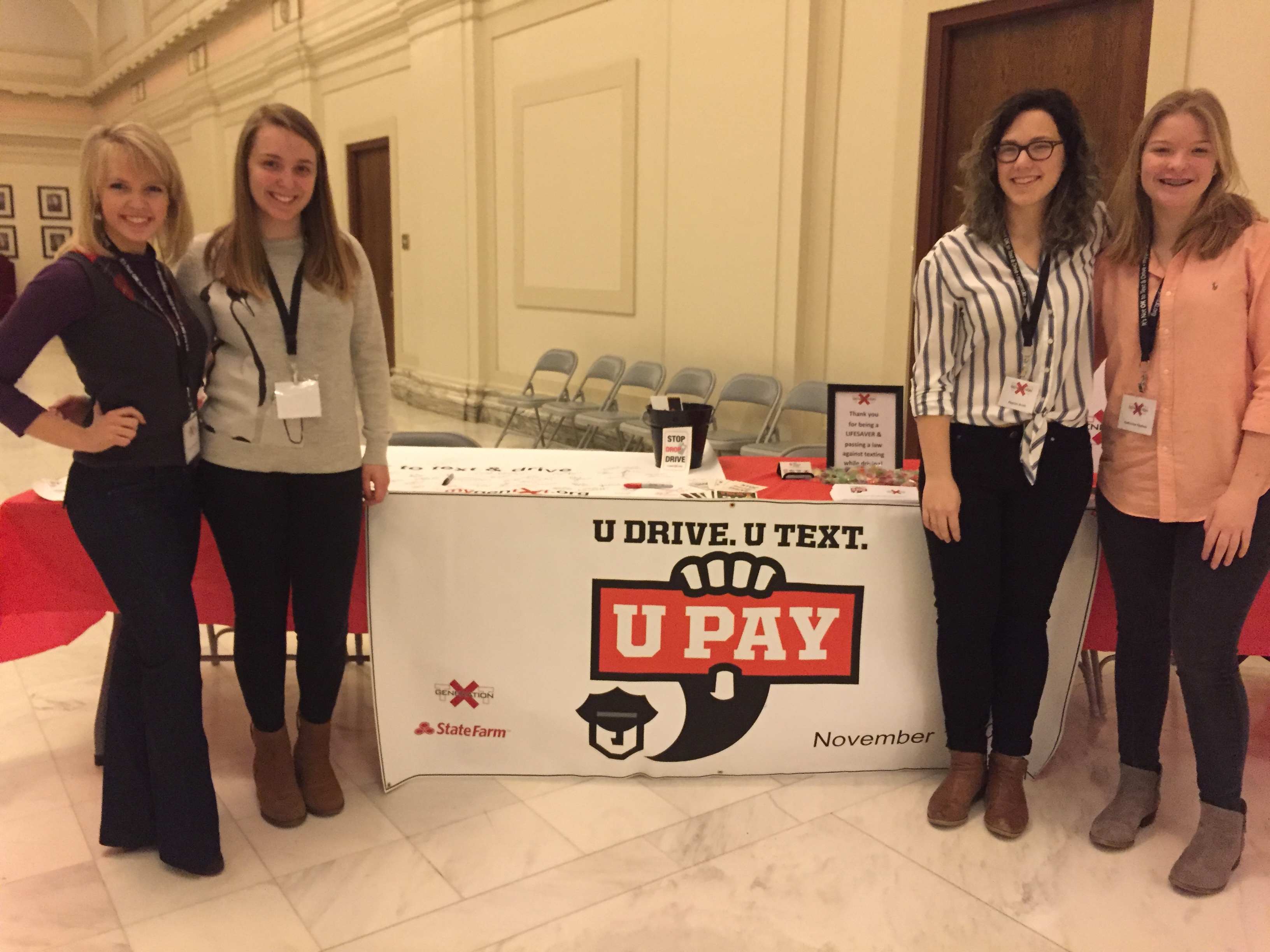
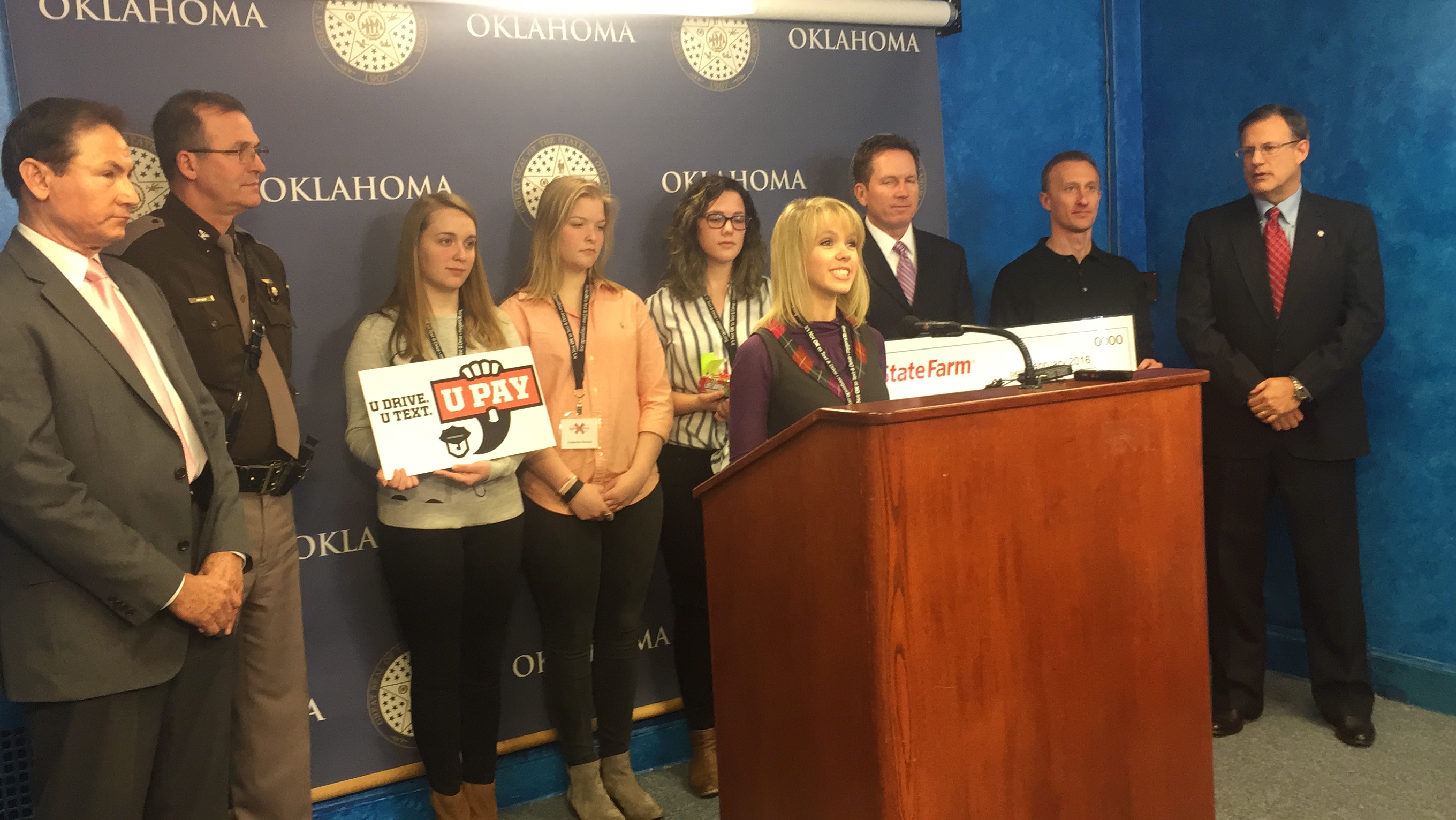
Big Thanks!
Ray La Hood throws NTSB Under the Bus
quoted from http://www.thecarconnection.com/news/1070987_ray-lahood-say-hands-free-calls-are-a-okay-throws-ntsb-under-bus
Last week, the National Transportation Safety Board announced sweeping recommendations that would prohibit drivers from using mobile phones at all — even for hands-free calls. But according to an article in the Detroit News, fellow fed Ray LaHood has thrown the NTSB under the metaphorical bus, claiming that using phones for hands-free calls is still a-okay in his book.
Discussing the topic of distracted driving in what will likely be LaHood’s final press conference for 2012, the man in charge of the U.S. Department of Transportation told reporters, “The problem is not hands-free”. He later softened the blow a little, urging drivers not to use their mobile phones at all, but LaHood insisted that his biggest areas of concern remain making hand-held calls and texting behind the wheel.
That’s music to the ears of automakers like Ford and GM, who’ve been spent countless dollars and man-hours developing high-tech infotainment systems — many of which facilitate hands-free calling and even read text messages aloud. But is LaHood right?
Not “the” problem, but “a” problem
LaHood has a valid point: texting and emailing behind the wheel remain the most serious offenses when it comes to distracted driving. In fact, it makes no difference whether drivers are reading or typing those texts and emails: their reaction times to sudden hazards doubles. And as if that weren’t bad enough, nearly half of all drivers between 18 and 24 years old text and email regularly.
But that doesn’t mean that talking on the phone isn’t a distraction. And what’s worse, research has yet to prove that making a hands-free call is any less distracting than using a hand-held device. In fact, a major study by the Governors Highway Safety Association made exactly that point earlier this year.
In other words, it may not be holding the phone to one’s ear that’s the problem, it could be the act of having a conversation while driving. That matches the DOT’s latest finding that one of the biggest distractions of all for drivers is having a conversation with someone in the car. (You can download a PDF of that study here.)
Our take
We like to think that LaHood is being a pragmatist, focusing on actions like text-messaging that are obvious driver impairments. It’s relatively easy to get that message across to the public — not to mention legislators.
However, you have to applaud the NTSB for standing on principle. The agency’s recent recommendations — which are just that: recommendations, not legally binding — aren’t likely to win them many friends, but they’re supported by the research to date.
As we head into two long, holiday weekends, we know that many of you will be driving to see family and friends, and we know that Mother Nature is going to make the going difficult on some of the roads you’ll be traveling. Why not ditch the phones all together — just put ‘em in the glove box — to make double-sure that you get where you’re going safely?
Distracted Driving Leads to Missouri Pileup
Driver was texting in Missouri traffic pileup
By JOAN LOWY | AP – Mon, Dec 12, 2011WASHINGTON (AP) —
A 19-year-old driver was texting just before his pickup truck, two school buses and a tractor truck collided in a deadly pileup on an interstate highway in Missouri last year, the National Transportation Safety Board said Monday.
Two people — the pickup driver and a 15-year-old student on one of the buses — were killed and 38 others were injured in the Aug. 5, 2010 accident on the interstate highway near Gray Summit, Mo. Nearly 50 students, mostly members of a high school band from St. James, Mo., were on the buses heading to the Six Flags St. Louis amusement park.
The chain of rear end collisions began when the pickup truck rammed the back of the tractor truck, the board said. The pickup was then rear-ended by a school bus, which was in turn struck by the second bus.
The board is scheduled to meet Tuesday to hear the results of an investigation into the accident and to make safety recommendations. The meeting will focus on the “distractive effects of portable electronic devices when used by drivers,” the board said in a statement.
The board has previously recommended bans on texting and cell phone use by commercial drivers, but has stopped short of calling for a ban on the use of the devices by adults behind the wheel of passenger cars.
NTSB Chairman Deborah Hersman said that as the use of personal electronic devices proliferates, investigators are increasingly coming across accidents in all modes of transportation — aviation, marine, rail and on the road — in which operators were texting, talking on cellphones or working on laptops.
“This is trending very hot and it’s a growing concern for the NTSB,” she told The Associated Press.
The problem of texting while driving is getting worse despite a rush by states to ban the practice, Transportation Secretary Ray LaHood said last week. In November, Pennsylvania became the 35th state to forbid texting while driving.
About two out of 10 drivers overall — and half of American drivers between 21 and 24 — say they’ve thumbed messages or emailed from the driver’s seat, according to a survey of over 6,000 drivers by the National Highway Traffic Safety Administration.
And what’s more, many drivers don’t think it’s dangerous when they do it — only when others do, the survey found.
At any given moment last year on America’s streets and highways, nearly one in every 100 car drivers was texting, emailing, surfing the Web or otherwise using a hand-held electronic device, the safety administration said. And those activities spiked 50 percent in over the previous year.
The agency takes an annual snapshot of drivers’ behavior behind the wheel by staking out intersections to count people using cellphones and other devices, as well as other distracting behavior.


youtube
facebook